
Investing in Life: A Daily Battle for Health and Hope
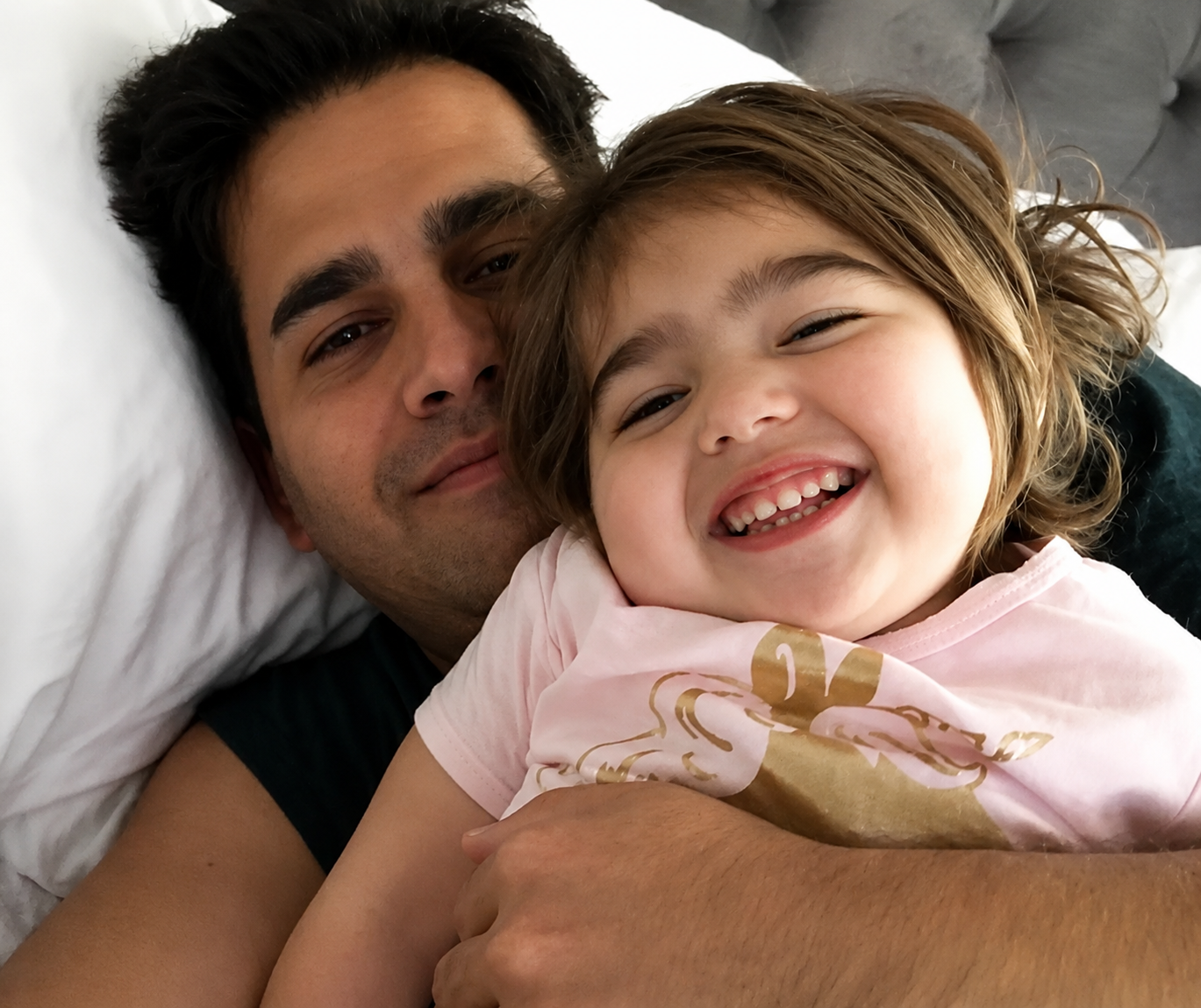
A personal journey through the challenges of pediatric epilepsy and how witnessing a daughter's health battle reshapes the meaning of 'investing in life.'
The day started like many others in the world of wealth management, characterized by a flurry of activity and the constant hum of market updates. However, an unexpected opening at 11:30 AM changed my trajectory. My scheduled meeting was cancelled, and in that moment, I decided to shift my workspace to my home. The plan was simple: handle the morning’s urgent client issues and applications from the kitchen table and eventually venture outside to prepare the backyard for the upcoming summer. It was a particularly volatile day for the markets, with red numbers flickering across my screens, but as I worked, I was reminded of a different kind of volatility. This is the story of my daily battle with my daughter’s health, and why I invest in life, a perspective that transcends traditional financial metrics.
The Duality of the Professional and the Personal
While I was deep into spreadsheets and client communications, my daughter Mia was in the living room, navigating her own rigorous schedule. She undergoes five hours of therapy sessions daily. During a brief break, she was relaxing on the floor with one of her nurses, Lisette. In many ways, the professional 'grind' is easier when I am at the office. Within the four walls of my firm, I can maintain a level of distance that allows for focused productivity. I don’t have to dwell on every minute of Mia’s day or wonder how she is feeling in real-time. When I am away, the news of her condition comes in the form of a text message: 'How many seizures has she had today?'
When I am home, however, there is no distance. The reality of her condition is woven into the fabric of the hour. It is a harrowing experience to witness, yet it is one our family has grown accustomed to. We have learned to stay calm, to soothe her as quickly as possible, and to maintain our routines amidst the chaos. After spending some time power washing the patio and cleaning the outdoor kitchen—a brief physical reprieve from the digital world—I found myself back at the kitchen table, pulled back into the dual worlds of finance and fatherhood.
My Daily Battle with My Daughter’s Health
The search for solutions is a constant background process in my mind. Years ago, I subscribed to Clinical Connection, hoping to find a breakthrough—a clinical trial that might reduce Mia’s seizures, facilitate cognitive gains, or offer some form of neurological healing that I couldn't provide through standard care. While I was reviewing market data, an email arrived that stopped me in my tracks. It was an invitation to learn more about the 'Steamboat Study,' a clinical trial for pediatric epilepsy involving an investigational medication known as NBI-827104. The study aims to evaluate if the medication can safely improve brain activity during sleep.
As I was absorbing the technical details of the study, the quiet of the house was interrupted. I felt a familiar pulse of energy from the living room, followed by Lisette’s voice: 'Sal, Mia’s having a seizure.' There is a certain numbness that sets in after years of this. I didn't panic; I simply moved. I knew the episode would likely last between 10 and 45 seconds. My wife and I rushed to her side, helping her recover from what was already her third or fourth seizure of the day. We waited for the moment she would snap out of it, hoping for a smile to signal that the worst had passed. Once she was stable and back to her routine, I returned to my computer to continue reading about the trial.
The Intersection of Medicine and the Market
I often joke with friends and family that I earned a 'fake PhD' at 3:00 AM over the last five years. These degrees are conferred in the glow of an iPhone screen while sitting in hospital recliners or various clinics. As a Private Wealth Advisor, I have no formal business reading complex medical research or deciphering terminology like 'investigational molecules' and 'brain activity sleep patterns.' Yet, when it concerns your child, you become a student of necessity. This relentless search for answers led me to investigate the company behind the Steamboat Study: Neurocrine Biosciences.
In my world, we often talk about a 'MetaParadigm' way of thinking—looking for the shifts that will redefine an entire industry. As I filled out the eligibility questionnaire for the Cleveland Clinic, my advisor brain began to engage. I began to wonder: Is Neurocrine Biosciences publicly traded? Are they a viable company at the forefront of solving conditions like Mia’s? While the mention of specific companies should not be considered a solicitation for the purchase or sale of securities, this moment highlighted how my personal mission and my professional expertise often collide. I began to do my homework, considering whether this company represented a measured way to hedge on the future of epilepsy research.
Defining What It Means to Invest in Life
Investing is often framed solely in terms of capital gains, dividends, and asset allocation. But for our family, the definition is much broader. To invest in life means to commit every available resource—time, energy, and capital—toward a future that offers more than the current reality. It means being willing to explore every avenue, no matter how unconventional it may seem to an outsider. Our commitment to Mia has taken many forms, including:
- Traveling internationally to Panama for world-class stem cell treatments.
- Integrating carefully researched supplements into her daily regimen.
- Utilizing a home hyperbaric oxygen chamber for an hour every day to support brain health.
- Researching and investing in a diversified portfolio of companies positioned to create a paradigm shift in medicine.
We do these things because the status quo is unacceptable. We invest in the hope that a breakthrough is just one research paper or one clinical trial away. Whether it is a new medication like NBI-827104 or a technological advancement in neurology, we are positioning ourselves to be ready when the solution arrives. This is not just about financial returns; it is about the ultimate return on investment: the health and well-being of a loved one.
A Philosophy for the Future
When we work with our clients, we often discuss their goals and what they want their wealth to achieve. My experience with Mia has deepened my understanding of those conversations. Wealth is a tool, but life is the objective. The volatility of the markets pales in comparison to the volatility of a health crisis, yet both require a steady hand, a clear strategy, and an unwavering commitment to the long term. I will not stop searching for answers, and I will not stop fighting for Mia’s recovery.
Ultimately, my daily battle with my daughter’s health, and why I invest in life, serves as a reminder of why we do what we do. We manage wealth so that when life presents its greatest challenges, we have the resources to meet them head-on. We look for the innovators and the disruptors not just for the sake of a portfolio, but because those companies might just be the ones that bring our loved ones back to us. I will continue to do the homework, I will continue to read the studies, and I will continue to invest in the future of medicine and the hope of a better tomorrow.